


Few topics generate as much confusion in housing policy and investment as this one: If workforce housing is in such short supply, why isn’t more of it being built?
The answer is not a lack of demand. It is not zoning alone. And it is not a failure of capital markets to recognize opportunity. The constraint is economic.
Building workforce housing today is fundamentally a math problem. When construction costs, land prices, financing terms, and operating realities collide with attainable rent levels, the result is a persistent feasibility gap. This article explains why new workforce housing is so difficult to deliver in today’s market, how developers attempt to bridge the gap, and what this means for investors and policymakers.
Demand Is Not the Problem
Workforce housing serves households earning roughly 60%–120% of Area Median Income (AMI)—a population that has expanded materially over the past decade. Wage growth has lagged housing costs in most metros, pushing more households into the “missing middle” between subsidized affordable housing and luxury rentals.
From a pure demand perspective, workforce housing is one of the strongest segments in residential real estate. Occupancy is durable, turnover is moderate, and long-term need is structural. The problem is not whether tenants exist. The problem is whether projects pencil.
The Cost Side of the Equation
Land Costs
Land prices have risen sharply in most employment-centric markets. Sites near job centers, transit, and infrastructure—exactly where workforce housing is most needed—command premiums that are difficult to amortize at attainable rent levels.
Developers often face a choice: pay market pricing for land and build luxury units, or accept subscale locations that undermine long-term demand. Neither option favors workforce housing economics.
Construction Costs
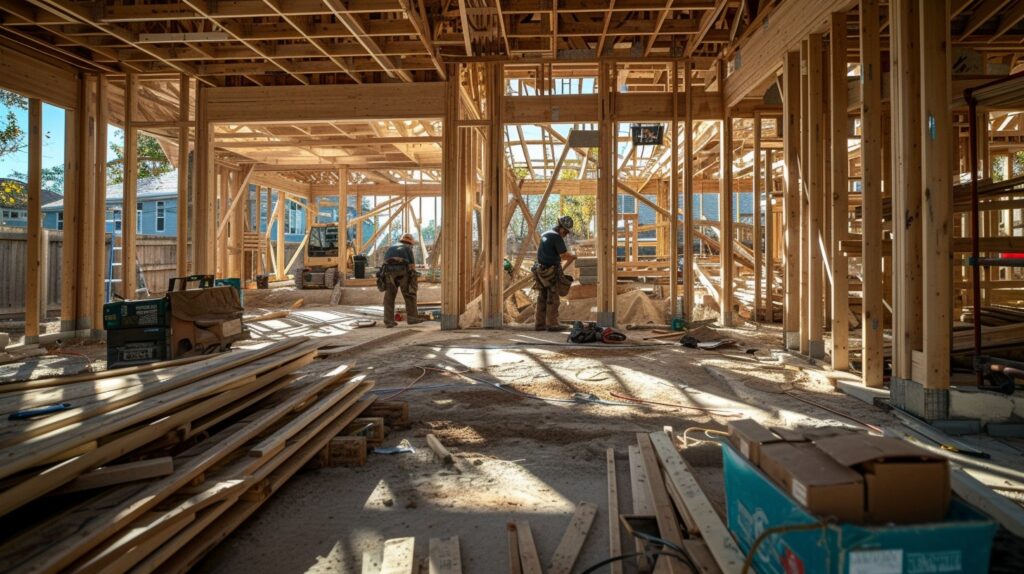
Construction costs remain elevated due to labor shortages, material pricing, regulatory compliance, and longer build timelines. While costs fluctuate, they have reset higher relative to rents.
Importantly, workforce housing does not cost proportionally less to build. The difference between a workforce unit and a Class A unit is often finishes, not structure. Foundations, framing, mechanical systems, and code requirements are largely the same.
This reality compresses margins for attainable housing.
Financing and Capital Costs
Higher interest rates have increased debt service, reducing loan proceeds and increasing equity requirements. Construction lenders underwrite conservatively, and permanent financing is constrained by rent levels rather than replacement cost.
As a result, many workforce housing projects face financing gaps even before considering returns on equity.
The Rent Constraint
Unlike luxury housing, workforce housing rents are capped not by regulation, but by affordability. Tenants simply cannot absorb large rent increases without compromising occupancy.
This creates a hard ceiling on revenue growth. While rents may rise modestly over time, they cannot be pushed to offset rising development costs in the way luxury projects can.
For developers, this means limited upside with full exposure to cost overruns, a combination that private capital generally avoids.
Why Luxury Housing Gets Built Instead
From a developer’s perspective, luxury housing often pencils more easily—even if demand is less durable.
Higher rents support higher debt proceeds, which reduces equity requirements. Exit pricing benefits from comparable sales and investor demand. In many markets, the incremental cost of upgrading finishes is far outweighed by rent premiums.
This does not mean luxury housing is lower risk in the long run. It means the development math works more cleanly in the short term.
Workforce housing, by contrast, offers stable long-term demand but weaker development economics.
The Feasibility Gap Explained
The feasibility gap is the difference between what workforce housing can earn and what it costs to build.
In many markets, that gap can range from 10% to 30% of total project cost. Without intervention—through subsidies, zoning incentives, tax abatements, or discounted land—projects simply do not meet return thresholds.
This gap is the primary reason workforce housing remains underbuilt despite overwhelming need.
How Developers Attempt to Bridge the Gap
Some projects attempt to close the gap through density bonuses, reduced parking requirements, or public-private partnerships. Others rely on mixed-income structures, where a portion of units rents at higher rates to subsidize workforce units.
In certain cases, tax abatements or infrastructure support can materially improve feasibility. However, these solutions are often fragmented, slow to implement, and politically contingent.
For private developers, uncertainty itself is a cost.
Why Existing Workforce Housing Becomes More Valuable
The difficulty of building new workforce housing increases the value of existing stock.
Properties built decades ago, when land and construction costs were lower, often sit well below replacement cost. This creates a durable competitive advantage. New supply cannot easily undercut rents, and demand remains persistent.
For investors, this dynamic is critical. It explains why acquiring and preserving existing workforce housing often makes more economic sense than ground-up development.
Policy Alignment Without Economic Alignment
Policymakers frequently call for more workforce housing, but policy alignment does not always translate into economic alignment. Zoning reform, while helpful, does not eliminate construction costs. Incentives, while valuable, are often insufficient or unpredictable.
Until development economics change materially, workforce housing supply will remain constrained—regardless of stated policy goals.
What This Means for Investors
For investors, the economics of building workforce housing today reinforce a core thesis: scarcity supports value.
The inability to deliver large volumes of new supply protects existing assets from oversupply risk. Income durability is enhanced by limited competition. Long-term demand is reinforced by affordability pressures.
This does not make workforce housing risk-free, but it does make it structurally advantaged.
Why Capital Flows to Acquisition, Not Development
Given these economics, most private and institutional capital prefers acquiring existing workforce housing rather than building it. Acquisition strategies benefit from known cash flows, lower execution risk, and immediate income.
Development risk, by contrast, is asymmetric. Costs are uncertain, rents are capped, and returns are compressed.
The capital market’s behavior is rational—even if the social outcome is challenging.
Conclusion: A Math Problem, Not a Moral One
The shortage of workforce housing is often framed as a failure of will or values. In reality, it is a failure of feasibility.
Until the economics of building workforce housing improve—through cost reductions, financing innovation, or sustained policy support—new supply will remain limited. This reality shapes both housing outcomes and investment strategy.
For investors, understanding this math is essential. It explains why workforce housing remains scarce, resilient, and increasingly valuable—not because demand is high, but because supply is so hard to create.